Begin your journey in Piazza dei Martiri, the vibrant main square and true symbol of the city. Surrounded by elegant arcaded buildings, cafés, and artisan shops, the square reflects the perfect balance between historical heritage and modern local life. Here you will immediately feel the authentic atmosphere of Carpi, where centuries of history still shape daily rhythms.
Dominating the square is the magnificent Cathedral of Saint Maria Assunta, a stunning example of 16th-century sacred architecture. Its imposing façade, marked by classical lines and three grand portals, introduces the spiritual heart of the city. Inside, the cathedral reveals a rich decorative programme with frescoes, artworks, and a wide three-nave structure that highlights its Renaissance and Baroque influences.
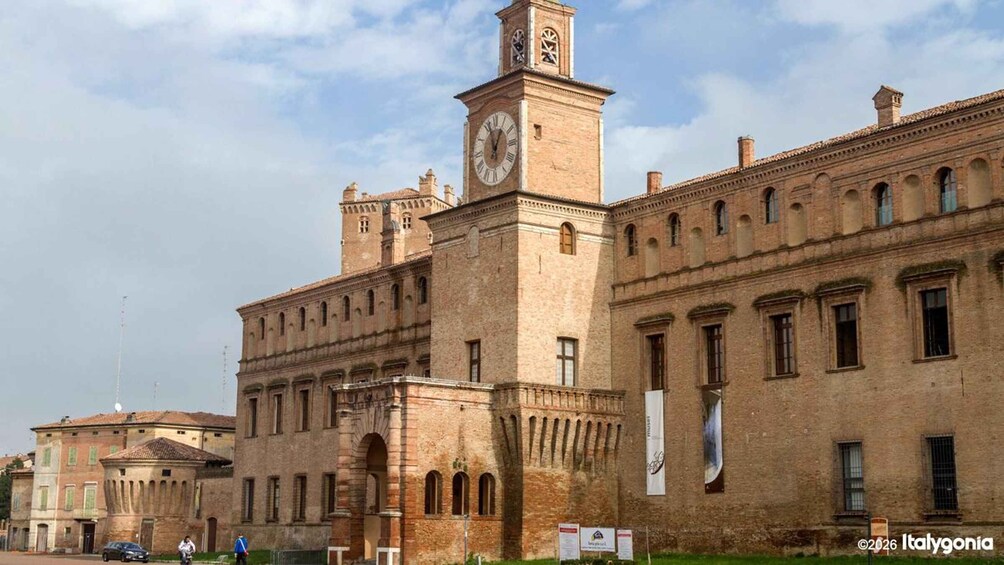
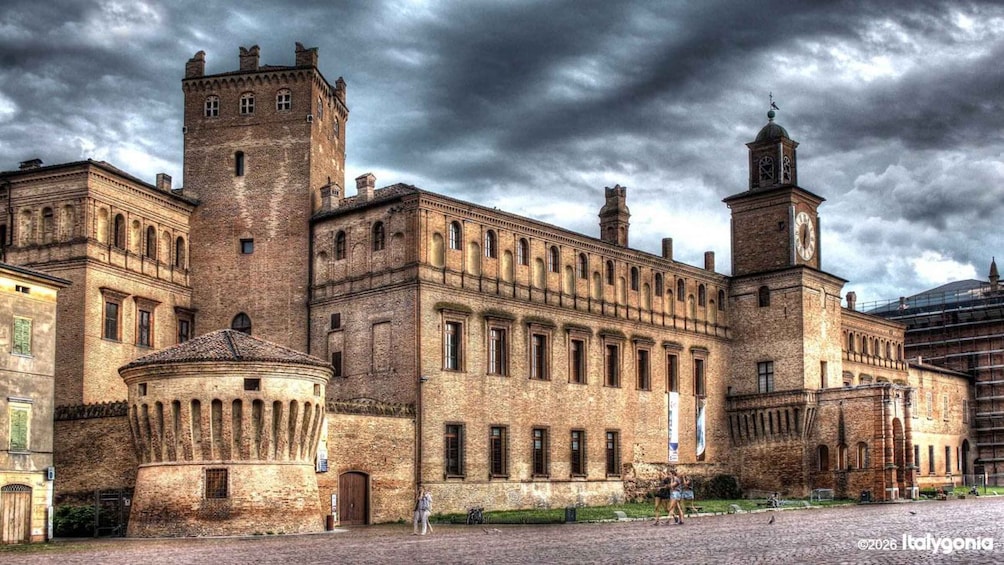
Just a few steps away stands the impressive Palazzo dei Pio, the most important architectural complex in Carpi and a powerful symbol of the city’s noble past. Once the residence of the ruling Pio family, it was transformed from a medieval fortress into a refined Renaissance palace by Alberto III Pio. Today it houses the Civic Museums, but its courtyards, façades, and monumental structure still evoke the grandeur of its aristocratic history.
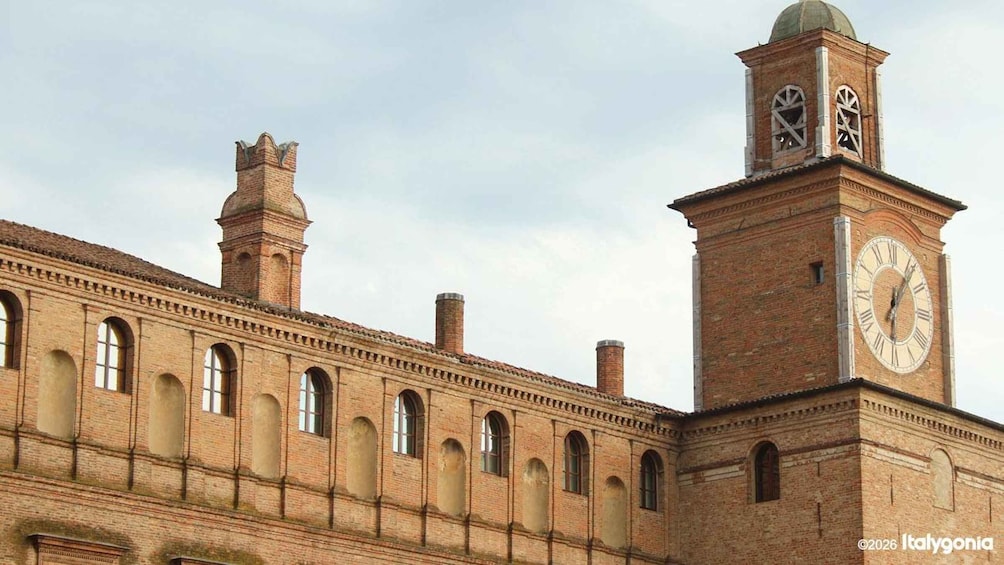
Rising above the palace is the iconic Torre dell’Orologio, originally part of the city’s defensive system. Later transformed into a civic clock tower, it continues to mark the rhythm of daily life in Carpi, standing as one of the most recognisable landmarks in the historic centre.
Continue under the elegant rhythm of the Portico Lungo, a spectacular architectural sequence of 52 arches decorated with 15th-century terracotta details. Walking beneath these porticoes offers a unique perspective on Carpi’s urban design, where architecture and social life are deeply intertwined.
From here, reach the evocative Church of Saint Maria in Castello, also known as “La Sagra,” the oldest place of worship in Carpi. This Romanesque gem preserves precious medieval frescoes and a 14th-century marble sarcophagus containing the remains of Manfredo I Pio, offering a powerful glimpse into the city’s religious and civic history.
As you continue through the historic streets, the city reveals its most authentic soul: elegant palaces, harmonious squares, and centuries-old arcades that tell the storey of a refined Renaissance centre still alive today. Every corner of Carpi reflects its deep connection with Emilia-Romagna’s artistic and cultural tradition.
Conclude with a relaxed walk through the historic centre, allowing you to absorb the atmosphere of this unique town, where architecture and daily life merge seamlessly into a timeless Italian experience.